
Our Collection
Explore our handpicked artworks
 photo
photo
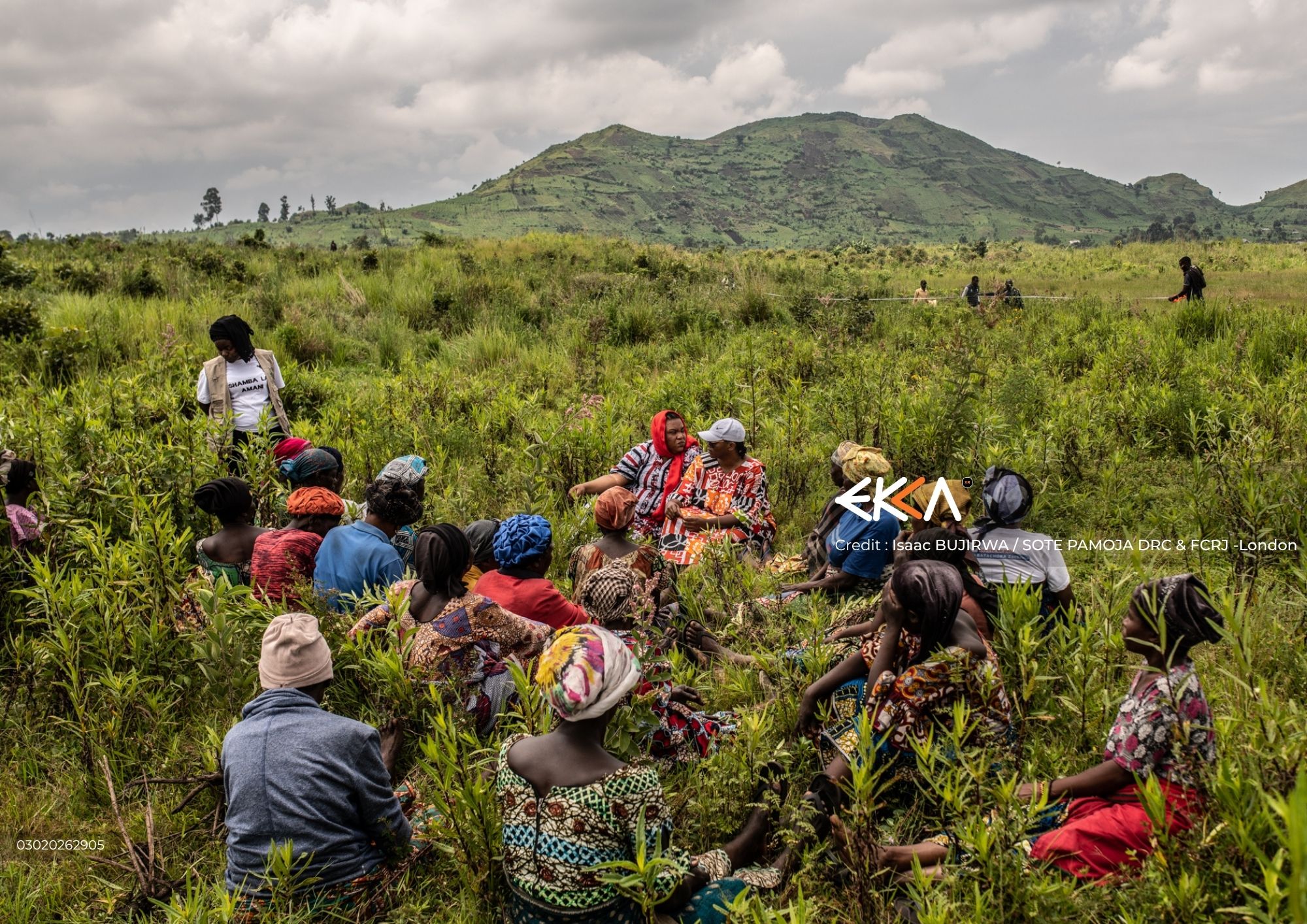
SHAMBA LA AMANI | From Survival To Governance
Bahati Mubuya Gladys, community development actor and coordinator of the Shamba la Amani program, addresses a group of women war returnees seated in a lush field in Mudja, Nyiragongo Territory, North Kivu, Democratic Republic of Congo, on April 6, 2026. Surrounded by green hills rolling toward the horizon under a wide, clouded sky, Gladys speaks at the center of a circle of women from formerly warring ethnic communities now united around a shared plot of land, a shared harvest, and a shared stake in the peace. The scene a woman leader holding court not in an office but in the middle of a field, among the people she serves captures the essence of Gladys' approach: that women's empowerment and conflict transformation are not programs delivered from above but relationships built from the ground up, in the soil itself.
 photo
photo
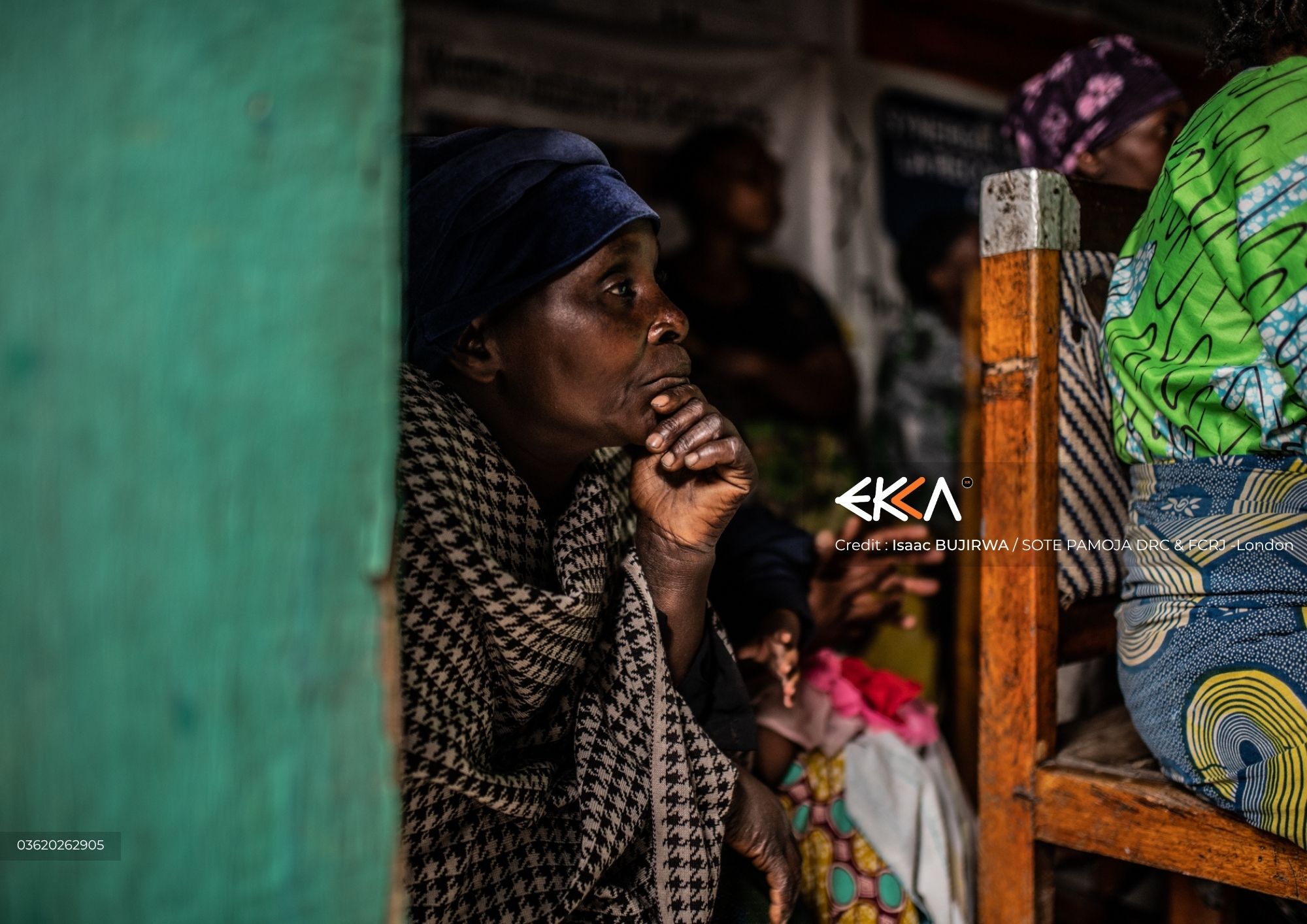
The Weight of Years, the Power of the Gaze | From Survival To Governance
A woman war returnee listens intently during a community session of the Shamba la Amani program led by Bahati Mubuya Gladys in Mudja, Nyiragongo Territory, North Kivu, Democratic Republic of Congo, on April 6, 2026. Her face lined by years of hardship, her hands clasped under her chin in concentrated thought carries the full weight of what it means to have survived decades of conflict in eastern Congo and to now, cautiously, be invited to imagine a different future. Gladys' program provides more than agricultural support: it offers psychosocial accompaniment, women's leadership training, and safe spaces where survivors can process the trauma of displacement and ethnic violence within the very communities that were once divided against each other. It is in moments like this one a woman listening, thinking, considering that the slow, irreversible work of peacebuilding truly begins.
 photo
photo
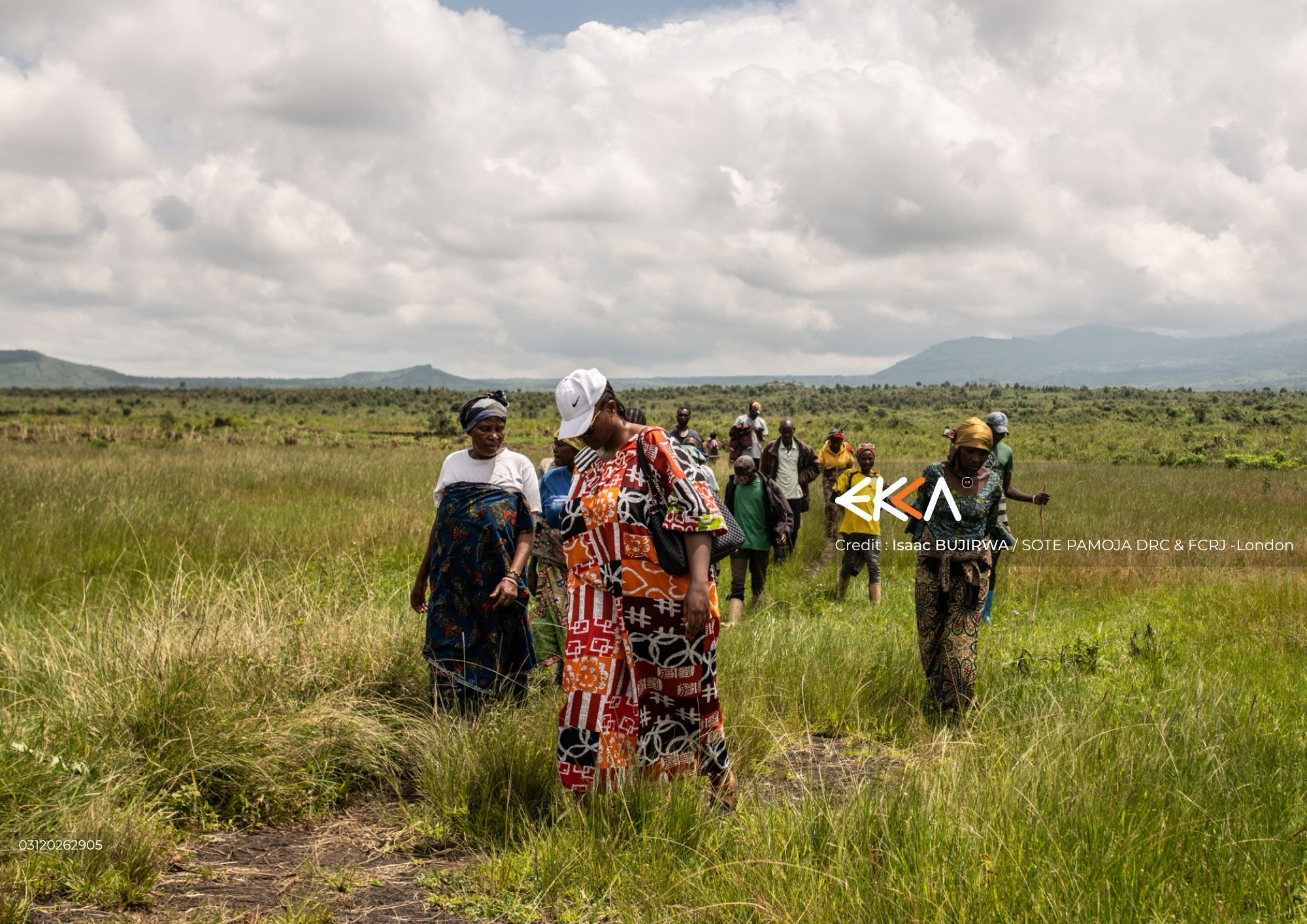
Gladys at the Head of the Procession | From Survival To Governance
Bahati Mubuya Gladys leads a group of women war returnees across the Shamba la Amani collective field in Mudja, Nyiragongo Territory, North Kivu, Democratic Republic of Congo, on April 6, 2026. Walking at the front of a procession of women and community members moving through tall grass toward the shared agricultural plot, Gladys embodies the kind of leadership she advocates for: visible, present, physical, and rooted in the land itself. As international peace discussions for eastern DRC continue to unfold in distant capitals Nairobi, Luanda, Washington it is women like Gladys who are doing the daily, unglamorous, irreplaceable work of rebuilding trust between communities that conflict has torn apart, one shared harvest at a time.
 photo
photo
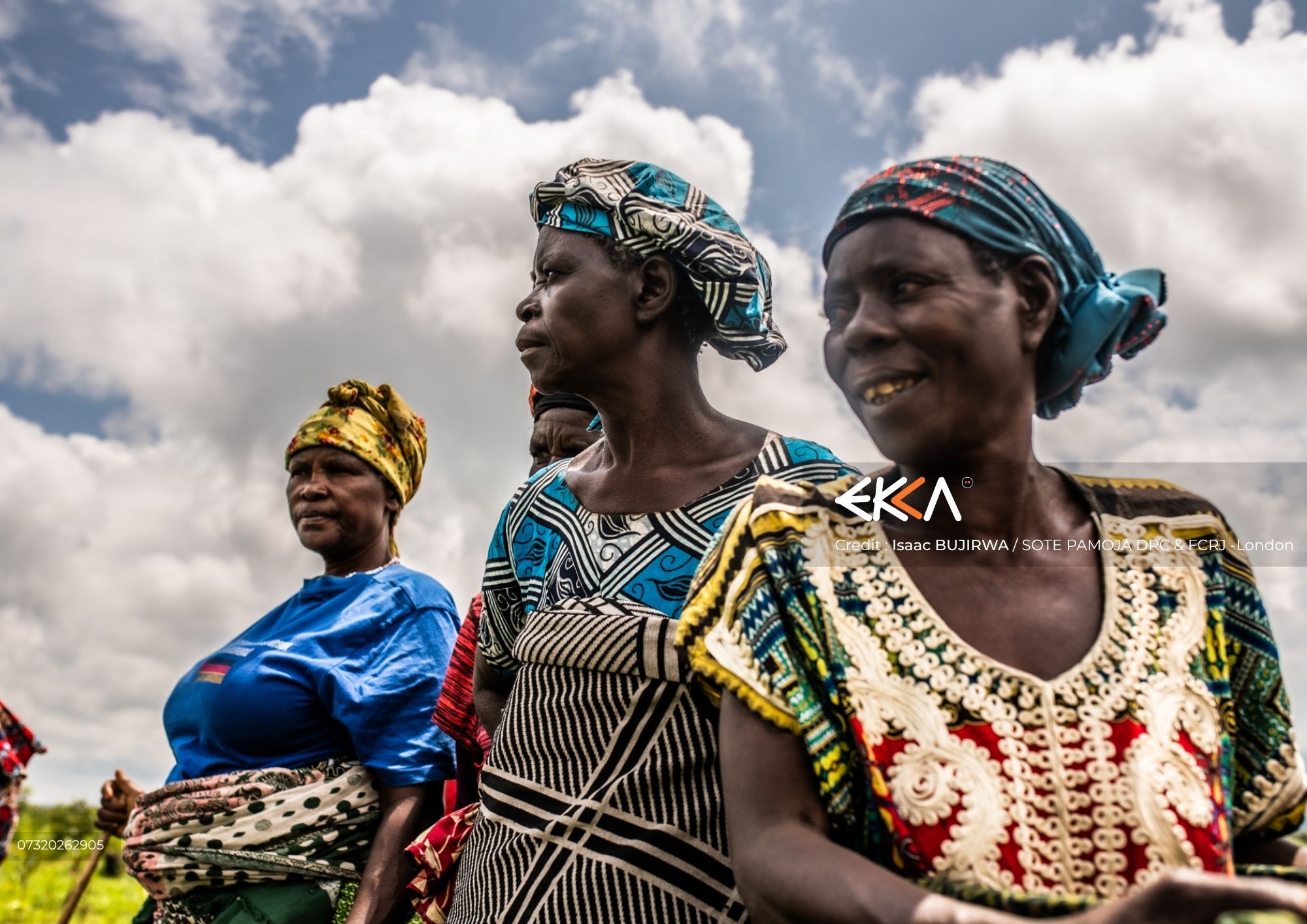
Those Who Survived | From Survival To Governance
Women war returnees participating in the Shamba la Amani program organized by Bahati Mubuya Gladys stand together in the fields of Mudja, Nyiragongo Territory, North Kivu, Democratic Republic of Congo, on April 6, 2026. Their faces marked by age, hardship, and resilience look outward toward something not yet visible in the frame: perhaps a future, perhaps simply a horizon worth facing. Brought together by Gladys under the Shamba la Amani initiative despite years of inter-ethnic hostility that drove them apart, these women now share not only a field but a common identity as survivors, mothers, and co-architects of their community's reconstruction. In a region where the humanitarian situation remains catastrophic and formal peace processes repeatedly falter, it is the stubborn daily solidarity of women like these that keeps the possibility of peace alive.
 photo
photo
The Imprint of Peace | From Survival To Governance
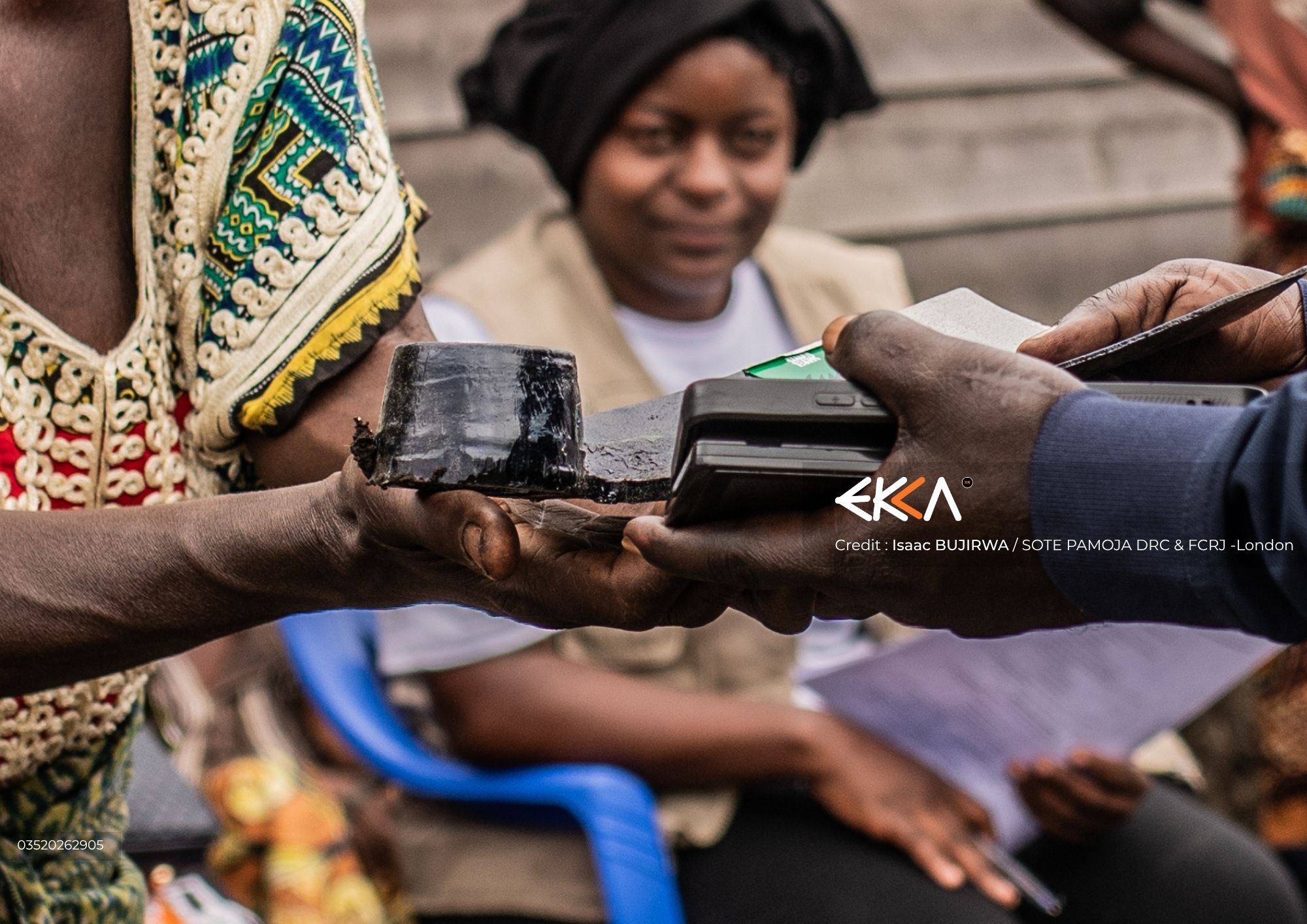
A woman war returnee presses her fingerprint to register for agricultural materials distributed as part of the Shamba la Amani program led by Bahati Mubuya Gladys in Mudja, Nyiragongo Territory, North Kivu, Democratic Republic of Congo, on April 6, 2026. The close-up image earth-stained hands pressing identity into a device, a smiling woman visible in the background overseeing the process captures the intersection of dignity and documentation that defines Gladys' approach to community development. Each registration is both a logistical act and a symbolic one: a formerly displaced woman, a survivor of ethnic conflict, officially recognized as a beneficiary, a participant, a citizen entitled to tools, to land, and to a future. Gladys' organization distributed farming equipment during this activity, providing the women of Shamba la Amani the material means to transform the field of peace from a concept into a harvest.
 photo
photo
They have things to say | From Survival To Governance
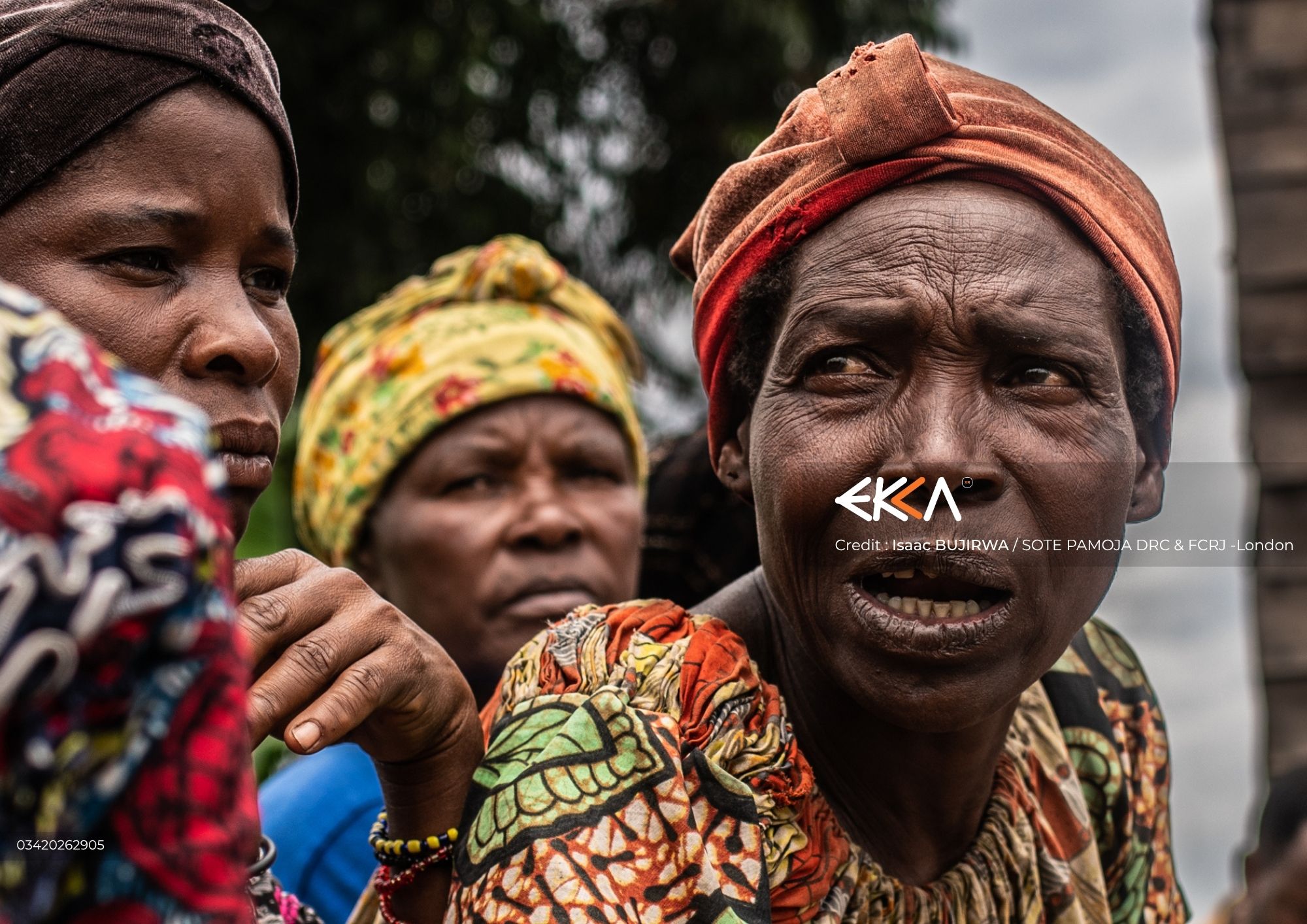
Women war returnees speak out during a gathering of the Shamba la Amani program organized by community development actor Bahati Mubuya Gladys in Mudja, Nyiragongo Territory, North Kivu, Democratic Republic of Congo, on April 6, 2026. Their faces intense, animated, raw with emotion tell stories that no communiqué from any peace summit has ever adequately captured: stories of homes burned, children lost, communities cleaved apart by ethnic violence, and the extraordinary, exhausting courage it takes to return and face a former enemy across a shared field. For Gladys, creating spaces where these women can speak be heard, be counted, be angry, be hopeful is not secondary to peacebuilding. It is peacebuilding. In eastern DRC, where millions of women carry the heaviest burden of conflict while remaining systematically excluded from its resolution, Shamba la Amani insists that their voices are not just welcome they are the foundation on which any lasting peace must be built.